Česky


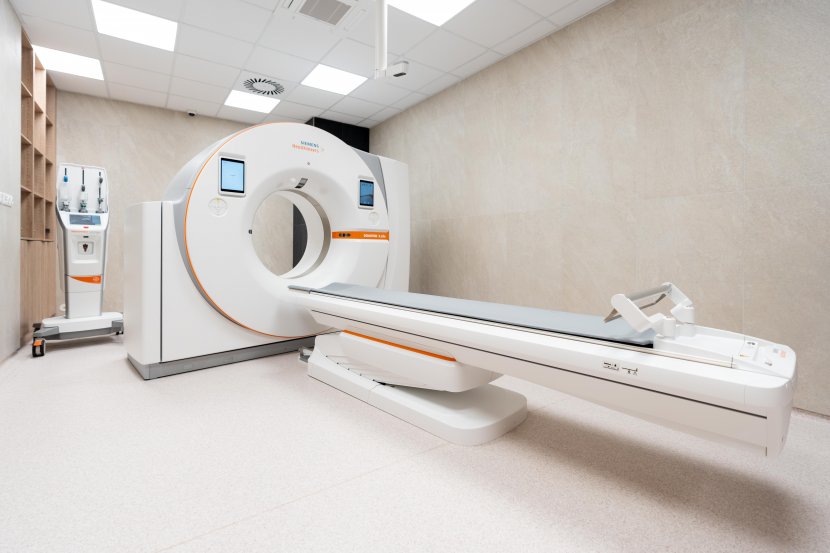
Lung cancer is one of the most common cancer diagnoses and also one of the leading causes of death from cancer. The problem is that in its early stages, it often progresses without any noticeable symptoms. This is precisely why screening plays a vital role – it enables the disease to be detected at a time when treatment is significantly more effective and the chances of recovery are considerably higher.
Screening is primarily intended for high-risk groups, particularly long-term smokers and older ex-smokers.
“Early detection of lung cancer significantly increases the chances of successful treatment. Thanks to modern imaging techniques, we are able to detect even very small changes that would otherwise go unnoticed,” says MUDr. Martin Hyršl, who specialises in lung screening at the radiology department.
Comprehensive care under one roof
Multiscan utilises modern diagnostic methods, primarily low-dose CT scans, which can detect subtle changes in lung tissue. The advantages of this method include high accuracy, speed of examination, minimal radiation exposure and a non-invasive procedure.
Should any suspicious changes be detected, the patient is referred for further diagnostic tests and receives support from specialist units, particularly the oncology centre, which is also part of Multiscan in Pardubice. The aim is to ensure a smooth and rapid process without unnecessary delays. Emphasis is placed on an individualised approach, patient comfort and a modern clinic environment.
Prevention as the key to health
Lung screening represents a significant step in the prevention of serious diseases. Multiscan actively promotes awareness of prevention and encourages high-risk groups not to underestimate the importance of regular check-ups.
“Prevention is always simpler and less burdensome than treatment itself. If we can detect a disease early, we give patients significantly better prospects,” concludes Head Physician of Radiodiagnostics , MUDr. Petra Jiříčková.