Česky
Česky


Sotirios Zavalianis came to Czechoslovakia in 1984 as a student under a scholarship programme and graduated from the University of Economics in Prague. Later he started a business in the Czech Republic and started a family. He is the owner of the second largest private medical company in the Czech Republic - AKESO Holding, which, in addition to Multiscan in Pardubice, also includes Rehabilitation Hospital Beroun and Hořovice Hospital, and has a good reputation as an employer.
His company Multiscan came to Pardubice in 2002, when it invested heavily in building a poorly equipped oncology hospital. Today, it still provides the operation of clinical and radiation oncology, and together with Pardubice hospital it participates in the work of the comprehensive oncology centre, it also has detached workplaces in Chrudim, Svitavy and Ústí nad Orlicí.
However, Zavalianis had disputes with the former management of the Pardubice Region for many years, according to the claims of the politicians at the time, the company was making money that could have gone to the hospital. Multiscan was even forced to build the inpatient part of the oncology nine years ago and hand it over to the region for free. "It cost us 73 million and we gave it to the county for a crown. It was our forced involuntary gift," he says with a smile.
How do you evaluate your time in Pardubice?
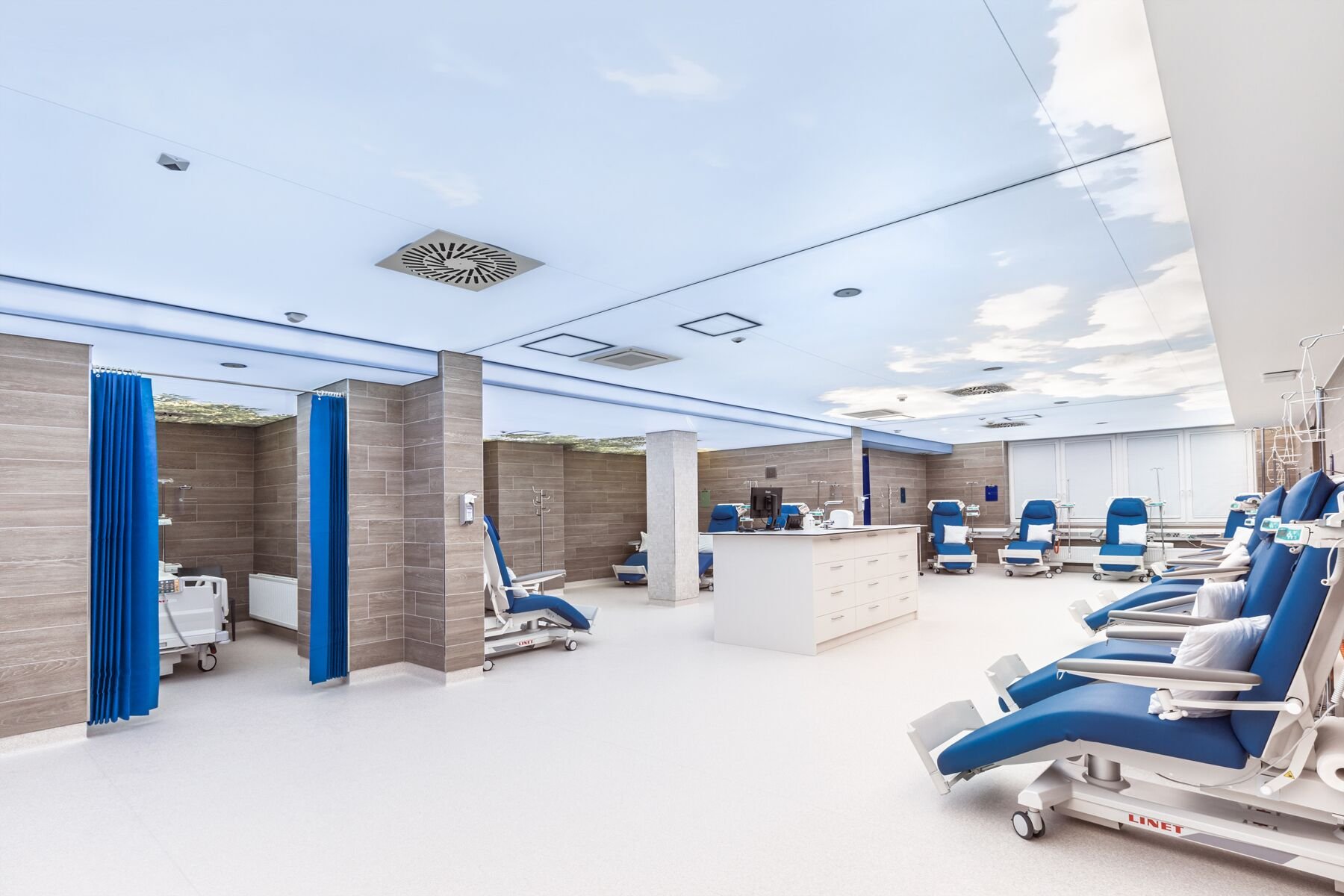
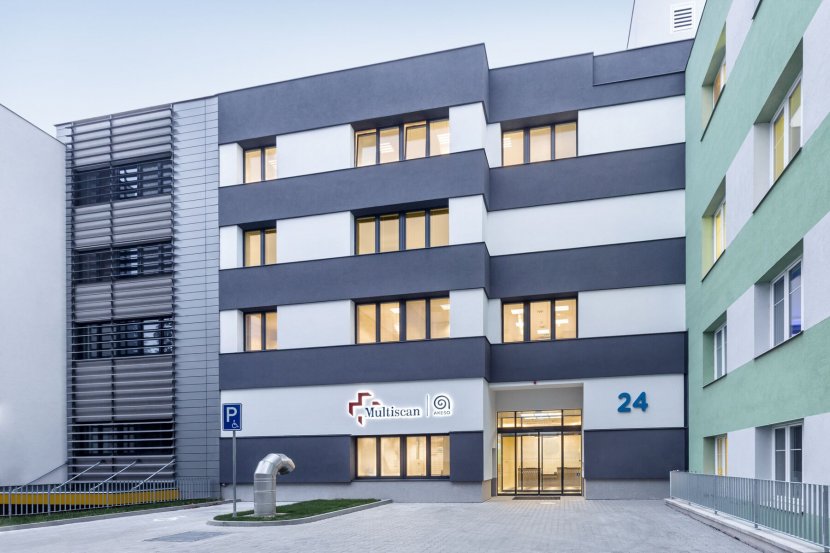
We have been working in Pardubice since 2002, we started off very nicely, with a perspective, then politics started to interfere, we were labelled an enemy of the nation and for several years there was a hidden struggle. We sensed that we were not very willing to be here. What you see today (the new building), that was the plan 15 years ago, to do something similar and on a larger scale. It didn't work and it was only with the arrival of the governor Martin Netolický, who is a pragmatic person and saw that the synergy between a private entity and the region could be very useful for patients.
Do you acknowledge that the conditions in which chemotherapy has taken place in Pardubice so far have not been dignified?
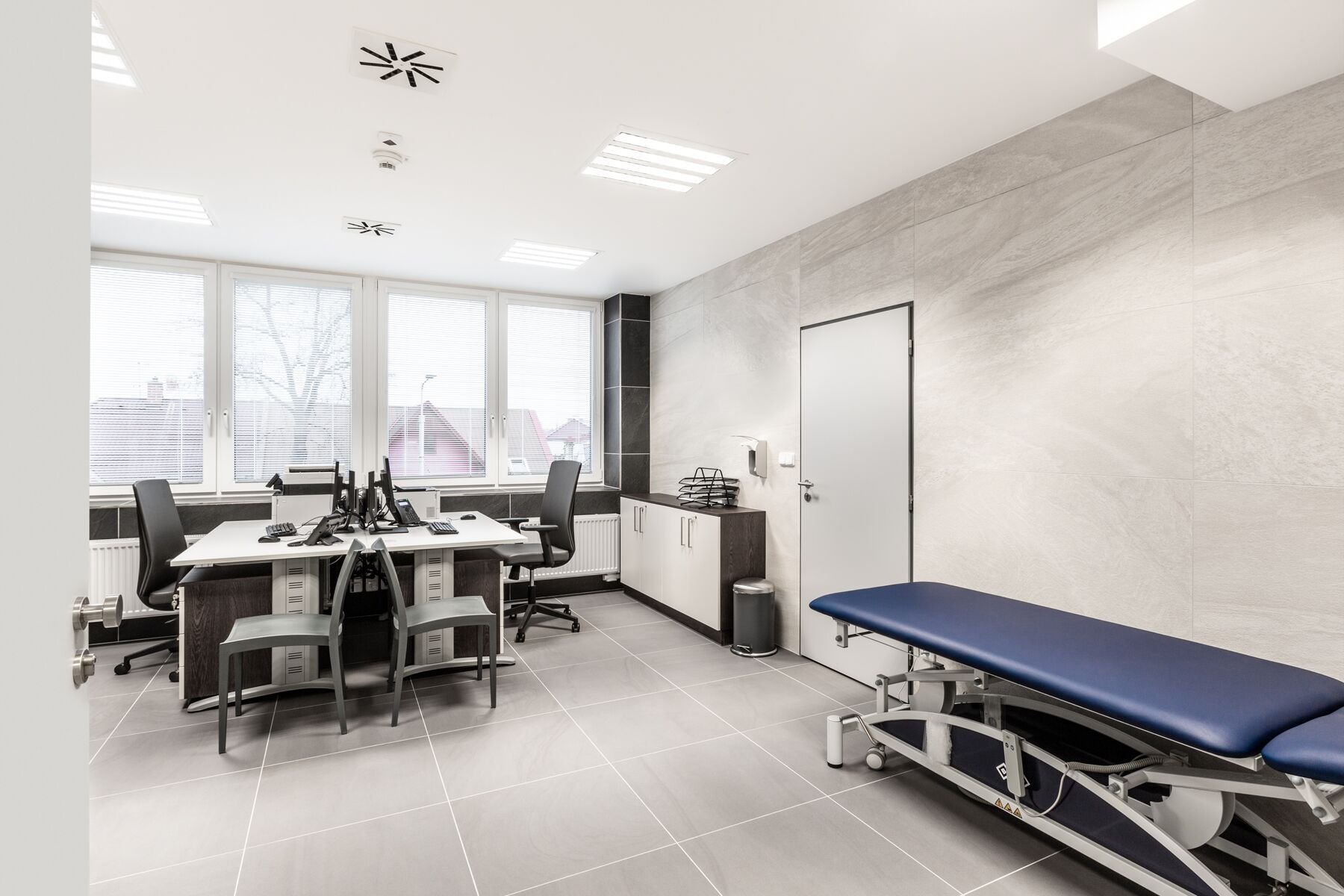
Of course. We rented several outpatient clinics on the hospital premises, especially for chemotherapy in the so-called house, where it was very cramped. It was an old space that could not be renovated, without an elevator. It was not dignified for us or for the patients. But unfortunately we had to operate in such premises for years and I must apologise to the patients that we did not have more determination to change it. Once the county agreed to give us the land, we built the new building within a year.
How would you describe the model of cancer care you helped create in the county?
There is a big difference between the treatment that is done at the centre and the treatment that is done in the districts. In the centre, there are high-end machines, high-end doctors; in the periphery, there are no such doctors. We have wanted, and have been striving for 17 years, for a patient from the periphery to have exactly the same treatment options as if he were in the centre. We treat the same people whether they are from Chrudim, Svitavy or Ústí nad Orlicí. People have access to the most modern medicines, the most modern medical approaches. We simply wanted to break down the difference between the city and the countryside.
After the New Year, you want to invest in outpatient clinics in the detached workplaces and also start bringing patients by minibus from here to Pardubice for radiation treatment. This will improve the comfort of patients and probably simplify the organisation of your work, no?
Unfortunately, there is a persistent belief that a private entity is a non-emotional creature whose only thought is profit. That is how it was described to us in the former regime, that is how we were taught, but it is not true. We built a new house here and we didn't have to. We could have left the patients where they were. Our aim is to keep improving the service. If we were in business to maximize profit, our facility would look like other health care facilities in the country, but they are not in business, and they are mostly contributory or regional organizations.
In Pardubice, you have radio-diagnostics, clinical and radiation oncology, and you also built an inpatient ward. Are you planning anything else?
We would like to provide more comprehensive services to oncology patients, we are interested in palliative medicine, which, frankly speaking, is failing not only in this region. There are people we can cure and there are people we can't cure and we have to take care of them. If the county is able to provide palliative medicine to patients, we can help; if not, we can take palliative medicine on and build something.
Are you not wronged because of what has happened around the cancer centre in the past?
I'm not wronged. After all, I am a capitalist who would deserve nothing less (smiles). No, I'm really only sorry that I couldn't have built all this earlier, before I was younger, more intelligent and had more determination. If there had been more understanding fifteen years ago, the facility would have been five times what you see today.
Date: 03.01.2020, Source.