Česky
Česky


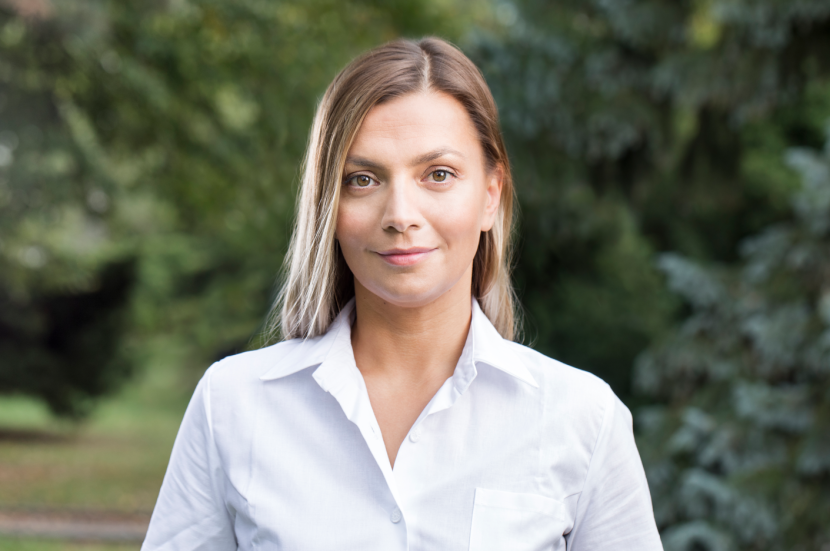
Could you briefly introduce your team? How many people work at the reception?
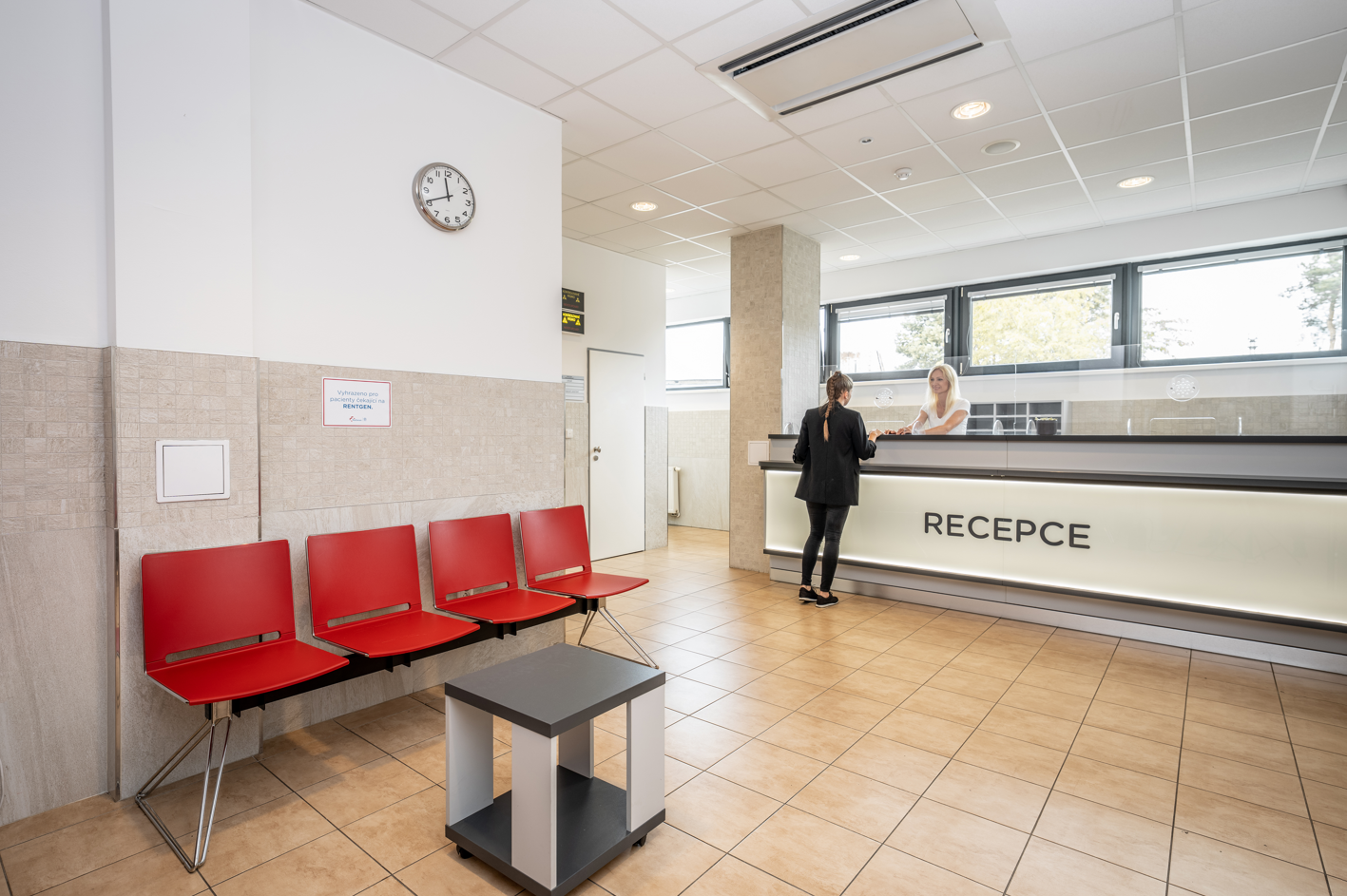
There are a total of four receptionists at the two reception desks in our radiology centre who, in addition to serving incoming patients and dealing with individual examination orders, also provide selected administrative activities across the department.
We currently have a team consisting of three relatively new colleagues who joined last summer and our reception 'matador' who celebrated 20 years at Multiscan last year.
In the event of holidays or absences, we staff the reception desk with radiology assistants, who can collectively verify that the flawless running of the examination room starts at the reception desk.
What does the normal receptionist schedule look like? What do they do?
The most important agenda of our receptionists is our patients, especially communicating with them.
We make sure that the patient feels comfortable and has all the information and service they need for the examination they are undergoing with us, whether we communicate with them in person, by phone or electronically.
Receptionists order examinations, communicate with patients and doctors, and take care of the administration related to sending examination results to applicants.
What are all the details you need to keep track of?
Again, the patient comes first, and it is the receptionist who verifies the patient's identity, edits and enters their personal data into the system.
Of those practical things, it's mainly verifying the type of insurance the patient has. Since we only see the patient for a short time, it is in our interest to have accurate information about the current insurance. In addition, this check, although it sounds rather trivial, brings a variety of situations to deal with that they don't usually teach you in school.
From a human point of view, the receptionist then oversees the whole situation around the patient. For example, the small and cute escorts of our patients sometimes need to be supervised for a while during the examination, then the receptionist comes in as an animator and draws pictures or looks for would-be lost cuddly friends in the waiting room.
Which systems do you use?
We work in several hospital information systems, but the most important one for us is the AMOS ordering system.
It's kind of our "computer game" with full and empty windows, where we endlessly compose and decompose the day into small boxes so that we can meet as many patient requests as possible.
The latest recent innovation is the introduction of a call centre, which is already making our work easier, providing insight and suggestions for improving our services.
Do you have any numbers available? Tell us how many calls you receive each day and how many patients come in on average.
If we were to run some sort of "tell me how many people you spoke to today" competition, our receptionists would surely be among the favourites. We could try counting.
In the early days of the call centre, we had around 200 phone calls a day, handled by three receptionists in two shifts.
To this we have to add the patients who come in for appointments and with whom the receptionist always speaks, which is usually around 150 patients on average per day, and then patients coming to the reception to deal with some request outside their scheduled programme. Of course, we have to budget the total into three shifts with different workloads, but it is still a respectable number.
You are the gateway to the medical facility - the first contact with patients and their loved ones. That's a pretty vital function - do you have communications training for receptionists, for example? What do you use to select new colleagues?
First contact is always very important, we are fully aware of that. That's why we put a lot of emphasis on receptionists having a polite and pleasant demeanour, being able to communicate even in difficult situations without making the patient feel less comfortable. We hope to have communication training not only for receptionists this year.
What are the biggest challenges in your workplace? What is the most challenging or interesting thing you have ever had to deal with?
I think the biggest challenges for receptionists in our workplace are two.
The first is medical operations. Receptionists usually do not have a medical background, so it is very challenging for them to navigate the types of exams and Latin terminology, but this is also a key skill for working as a receptionist.
The second least demanding challenge is the dynamic development of our workplaces, be it new information technologies or innovations in work processes and the resulting need to keep up with everything new.