Česky
Česky


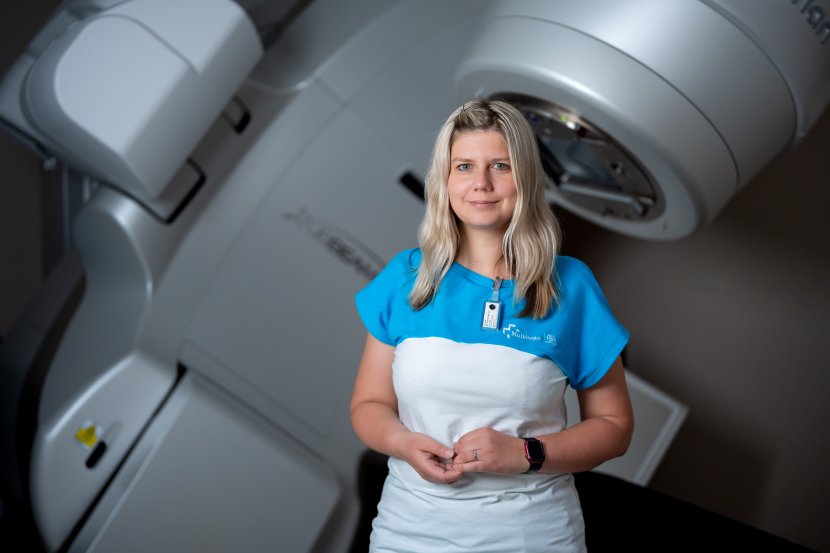
How does treatment work in practice, and what role do radiology assistants play in patient care? Eva Hrdá, B.A., senior radiology assistant in the radiation therapy department, describes how the Multiscan Oncology and Radiology Centre in Pardubice operates.
Many patients have a great deal of respect for radiation therapy. What does the patient’s journey actually look like, from the initial diagnosis to the actual radiation treatment?
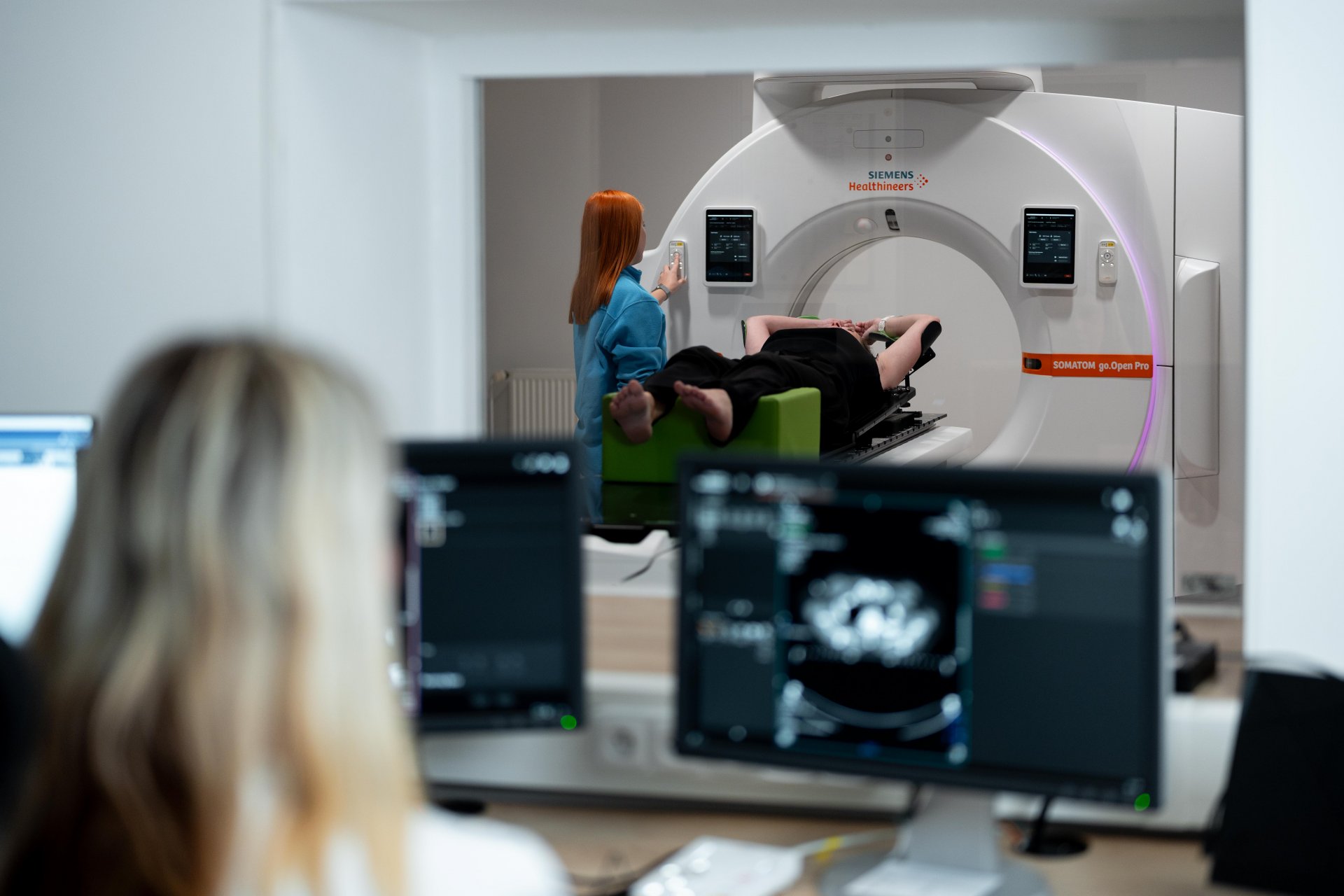
Patients come to us after an examination at the outpatient clinic, where they discuss their condition and the recommended treatment with a physician. If radiation therapy is recommended for the patient, a planning CT scan is performed, which serves as the basis for preparing the radiation treatment itself. During this scan, the patient’s position—the position in which they will lie during radiation therapy—is also determined, and, if necessary, custom positioning devices are created.
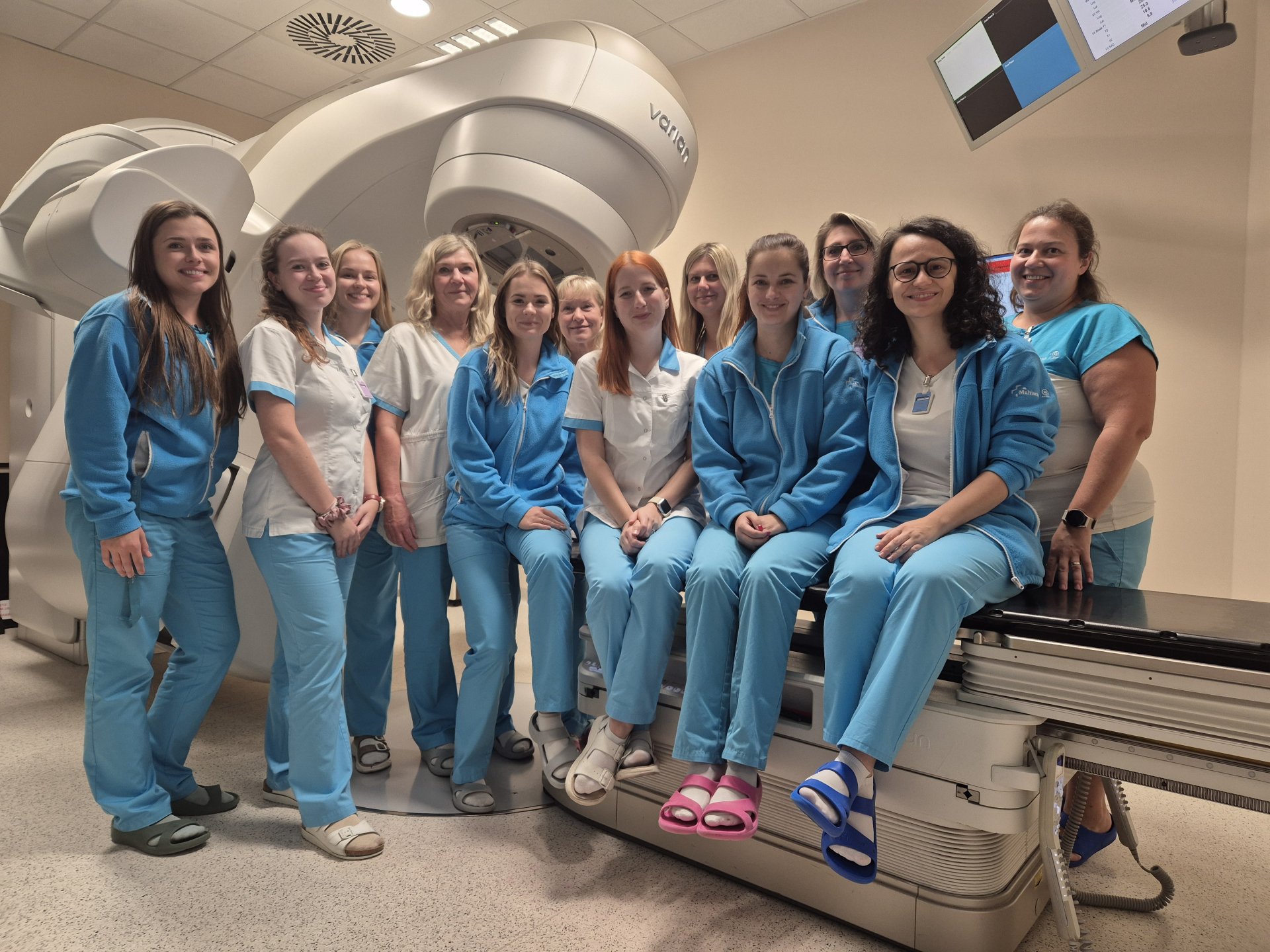
We send the images from the planning CT scan to the planning room, where physicians and physicists work together to prepare a personalised radiation treatment plan. The entire radiation therapy process is a team effort involving a physician, a radiology technologist, and a medical physicist, who work together to tailor the treatment so that it is as precise as possible and best suited to the specific patient.
What role do radiology assistants play in this process?
It’s fair to say that they accompany the patient through virtually the entire process. They take charge as early as the planning CT scan, where they position the patient correctly and prepare the data needed to create the individualised radiation treatment plan; once the plan is finalised, they administer the radiation itself—positioning the patient, check the images, and oversee the proper course of treatment. At the same time, they serve as the daily link between the patient and the physician, so they are often the first to notice the patient’s concerns or any potential difficulties.
How important is the psychological support you provide to patients?
It’s true that patients often come in with concerns. That’s why we try to explain the entire treatment process to them so they feel safe. Together with my colleagues, our goal is to create an environment that fosters this sense of security, and we reassure them that they can turn to us at any time.
What do patients fear most before radiation therapy?
For example, people are afraid of pain, so they’re informed right from the first treatment session that the therapy is actually painless. There’s also a common misconception that patients will lose their hair during treatment or that the entire body will be affected. However, hair loss only occurs when the head area is being treated. Patients may also experience increased fatigue, for example, but the side effects are usually not as severe as they initially fear.
How long does it usually take to prepare for treatment and to undergo the radiation therapy itself?
A significant number of our patients begin treatment within a week, but of course, this also depends on how urgent their case is or how complex the planning process is for them. The radiation treatment itself usually takes up to ten minutes, depending on the technique used. However, patients come in repeatedly—for example, prostate cancer treatment involves 39 fractions. Radiation is administered regularly every weekday, and we usually offer the option of weekend sessions once every two weeks.
Your facility has also started producing educational videos for patients. How can these videos help them?
When a person learns about their diagnosis, it can be overwhelming at first, and they often can’t take in all the important information right away. That’s why we wanted them to be able to revisit the videos in the comfort of their own homes and see what to expect. We filmed a video with general information and another focused on prostate cancer treatment. We’d like to continue with other diagnoses as well, such as breast cancer or head and neck tumours, so that people can visualise what to expect during a planning CT scan and during the radiation treatment itself.
What kind of feedback do you most often receive from patients who have undergone your treatment?
Mostly very positive. Patients give us feedback even during treatment, and sometimes they even send us postcards. As I said before—although they come in with concerns at first, once they see how the treatment proceeds and how we try to explain everything to them, they leave feeling that we’ve done what’s best for them.
When do you personally feel the greatest sense of purpose and fulfillment at work?
I was drawn to radiation therapy even when I was studying the field. It was a clear choice for me. What brings me the greatest joy is when I can give patients that sense of security during treatment, when they leave satisfied and you can see it in their faces. It’s in that very moment that you realise your work truly has meaning.
Bc. Eva Hrdá
, senior radiology assistant, Department of Radiation Oncology
- A graduate of the Radiological Assistance programme at the University of Pardubice.
- She has been with Multiscan for 12 years and has led the team of radiology assistants since November 2025.
- She also participates in projects aimed at improving patient education, such as the creation of educational videos about radiation therapy.