Česky
Česky


Can you introduce the holding to the readers? What preceded the establishment of AKESA and where are its activities heading now?
It all starts with the immigration of the owner and CEO Sotirio Zavalianis to the Czech Republic. As part of his entrepreneurial activities, he acquired a stake in Mediscan Group in 1998 and, as a result, gained his first experience in running an outpatient and diagnostic centre. In 2002, Multiscan Pardubice was founded at his initiative, with the intention of investing in imaging equipment. In addition, Multiscan eventually invested in a linear accelerator and took over the care of cancer patients, which was a condition of the Pardubice Hospital. Currently, the oncology department provides outpatient care for the Pardubice Region and adjacent regions, while cooperating with the inpatient oncology department and other departments of the hospital within the Comprehensive Cancer Centre of the Pardubice Region. In 2007, as part of the privatisation, Sotirios Zavalianis took over the Hořovice Hospital and the Beroun Hospital. Beroun Hospital was gradually transformed into a facility based on overnight care and acute rehabilitation. The hospital in Hořovice became an acute hospital with a wide range of specialties. The two hospitals complement each other well.
How would you describe Sotirio Zavalianis as a manager?
A stubborn and impatient stickler. A man who has a clear vision of what he wants to achieve and who at the same time wants everything now and in the best quality. Working for a boss like that may be exhausting at times, but for me it's the ideal situation. It is great to work with someone who has a clear vision and wants the best for Czech patients. To provide care at the highest level, not only professionally but also in terms of facilities. If you look at our hospitals, they are all built to make patients and staff feel comfortable. This is unique in the Czech Republic. Moreover, our owner is a person who gives a chance to anyone who comes up with an interesting idea. So there is an ideal space for those who want to realize themselves and are serious about it. In the holding he will get support, background and resources.
What is AKESO's credo and vision?
The motto of the holding company is "Human health. Humanity. Inclusiveness." We want to take care of people's health and we want to not only treat them but also cure them. We provide care comprehensively, not just in financially profitable segments. At the same time, we strive to make people feel comfortable with us, take their needs seriously, and emphasize considerate behavior toward patients. We want to be an accessible, approachable and people-friendly organisation.
Can you say what your personal competencies and goals are?
The definition of my position is deliberately broad. In day-to-day operations, we don't actually directly manage anyone within the healthcare workplace. Our role is to project-manage the implementation of certain mechanisms into the functioning of the organisation. In the area of quality, I am primarily involved in the methodical management of quality and safety in healthcare, i.e. I oversee the mechanisms that ensure this. My intention is to make it as acceptable as possible to the healthcare staff. I am in charge of the procedural functioning, i.e. working with medical records, medicines, patient movement around the workplace, optimizing all processes - personnel and logistics, as well as analyzing and unifying these processes. The main tools are automation, standardization and centralization.
What certifications do the holding's sites have? Are you also seeking international accreditation?
The hospitals in Beroun and Hořovice have been accredited by the Joint Accreditation Commission; the radiotherapy unit in Pardubice has ISO certification. We are not considering international certifications for the time being. I work as an auditor for JCI international accreditations, so I have a fairly clear idea of the requirements that must be met to obtain certificates. I am trying to bring these tools into our daily practice, but at the same time save healthcare facilities from implementing procedures that are either completely obvious, too costly in terms of finances and personnel, or incompatible with the operations of the facility.
One of the big themes in healthcare today is cleanrooms, without which research and production of many products would be inevitable, as would medical facilities. How important is this area to you?
Preventing hospital-acquired infections is a big chapter in managing the operation of healthcare facilities and ensuring workplace safety. Czech legislation sets good standards in this respect and with compliance with standards and laws it is possible to operate at a very high level. The preparation of cytostatics, chemotherapeutics and many other drugs is currently carried out in super-clean areas, and the demands on the cleanliness of the environment are extremely high. The same applies to disinfection and sterilisation. Naturally, we are paying increased attention to this area and are trying to apply new clinical recommendations. This includes, for example, ensuring patient isothermia in the operating theatre, isoglycaemia and antibiotic prophylaxis. Our aim is to set up the necessary measures and ensure that they work across the whole hospital. We know that deficiencies in any one department can affect the operation of the whole hospital.
So you put a lot of emphasis on consistency. What tools do you use to monitor and ensure patient safety?
Our priority is to prevent all errors and events that can harm patients. Of course, patient identification with a wristband, pre-operative safety process such as preventing patient or procedure mix-ups, preventing falls, safe patient handover, dealing with sudden situations such as cardiopulmonary resuscitation and so on. Primarily, we try not to harm patients. In general, it is reported that the incidence of adverse events during hospitalisation is between 5-10% of hospital admissions worldwide. That is a high number. Therefore, these events are reported to us and corrective measures are subsequently implemented. The aim is to ensure that these events do not recur not only in the workplace but throughout the organisation.
How do you deal with complaints from patients and staff?
We try to resolve all complaints on the spot - we prefer face-to-face meetings to lengthy paperwork. Patients appreciate this, so we keep formal complaints to a minimum. We have an adverse event reporting system in place for staff. In the past, it has been found that many of these events were not reported because staff did not have the time or did not consider it important enough. We have therefore introduced a centralised system so that it takes a few seconds to report an adverse event and the rest is dealt with by a designated member of staff.
What innovative trends and technologies are being applied in healthcare? And how does the Czech Republic compare to Western countries?
In general, the Czech Republic has access to everything that exists elsewhere in the world: innovative medicines, innovative technologies, tools, materials and procedures. We are a bit behind in innovation in the area of workplace organisation and coordination. There are also shortcomings in the exchange of information, logistics and management itself. In logistics, for example, there are now very sophisticated computer systems that can replace humans in planning, coordinating deliveries, materials and so on.
Where the Czech Republic is lagging behind is in information systems for the medical functioning of hospitals. Digital systems are available worldwide that serve as drug records and contain a number of automated functions, such as evaluating drug interactions or dosages, analysing information or software that can read X-rays and evaluate histological images. I think that Czech developers of information systems are a little behind the times here and do not offer the same comfort as developers abroad.
What is the motivation of providers to innovate in general? Does it differ between private and public ones?
I do not dare to assess this, but logically private providers are at a disadvantage in the market because they have limited access to public funds. That is why we try to introduce innovations that make the operation and viability of the organisation more efficient by saving money. Public institutions are better off, they can use various subsidies to pay for new technologies, information systems and so on. However, being a private provider also presents certain advantages. One of them is that we do not have to deal with a tendering process when we make purchases. We can choose the material or equipment that fits into the overall mosaic and have more regard for quality. Another competitive advantage is that the whole process from decision to purchase takes a short time.
Do you use electronic communication with patients, mobile apps or other tools?
To a limited extent so far. At the moment, various web-based consultation services are in place and we are of course trying to communicate electronically with the patient. In addition, we have a project underway that should gradually include automatic patient appointments and appointment reminders. We are also trying to centralise the repository for medical records so that patients can access medical reports at any time or use mobile communication to improve adherence to treatment. It is now known that poor adherence is a significant contributor to the failure of chronic disease treatment, and this can be improved through electronic communication. An example is the Itareps project for psychiatric patients, which has been in operation for at least ten years. However, a barrier to putting such projects into practice is the legislative framework, including, for example, data protection or reimbursement mechanisms.
By comparison, electronic communication has been successfully applied in veterinary medicine for years. There are various portals, communication via photographs, adherence monitoring. We take this very seriously and try to make the most of the possibilities that are available. In some countries, the patient already functions as an essential indicator of care - for example, through so-called 'patient reported outcome measures' (PROMs). The patient completes a quality of life questionnaire first before the procedure or admission to hospital and then after completion of rehabilitation or discharge to outpatient treatment. The comparison shows the extent to which the treatment was successful. In the US and UK, this indicator also influences the reimbursement mechanism. The patient becomes an important player in quality assessment. Unfortunately, in the Czech Republic, the quality of care is still not a factor influencing the reimbursement of health services. Insurance companies pay per unit, not per quality.
Can you summarize what AKESO Holding is doing well and what challenges it faces?
Because we try to approach our work with sensitivity and humility, all our projects are succeeding. This means that all projects lead to a clearly defined goal and have a positive impact on the workplace. In addition, they save money and time, reduce the administrative burden, and increase productivity.
A certain obstacle to innovation is people who have different computer literacy, different motivation and different willingness to change. It does not affect the final success of the project, but it takes longer to implement. A lot of time has to be spent explaining, training and motivating employees. This is something I didn't count on at the beginning. The moment you come up with new ideas, you think you'll get everyone excited about them. But it often isn't, because change is a challenge and requires more effort.
On the contrary, I see the continuous expansion of the range of services in our healthcare facilities as a success. We have recently opened a new urology department in the hospital in Horyovice, we have started densitometry, we have opened new outpatient clinics, we are building operating theatres, we offer other services, and we plan to double the bed capacity in the hospital in Horyovice. The biggest project is the construction of a Mental Rehabilitation Centre in the Beroun hospital. It will be a complex psychiatric workplace of the inpatient type, which should meet the demanding requirements for psychiatric care in the 21st century. On a national level, this is an experiment that should show how modern psychiatry can work if it is really taken seriously. A great deal of emphasis will be placed on the environment, which plays an important role in psychiatric care. Construction of the facility has already begun, and it should open within three to four years. We will also soon open a new oncology department on the premises of Pardubice Hospital. All this requires the involvement and coordination of many people. However, our plans are still the same. To have the most modern workplace, to be as friendly to patients as possible and to provide the highest quality of care.
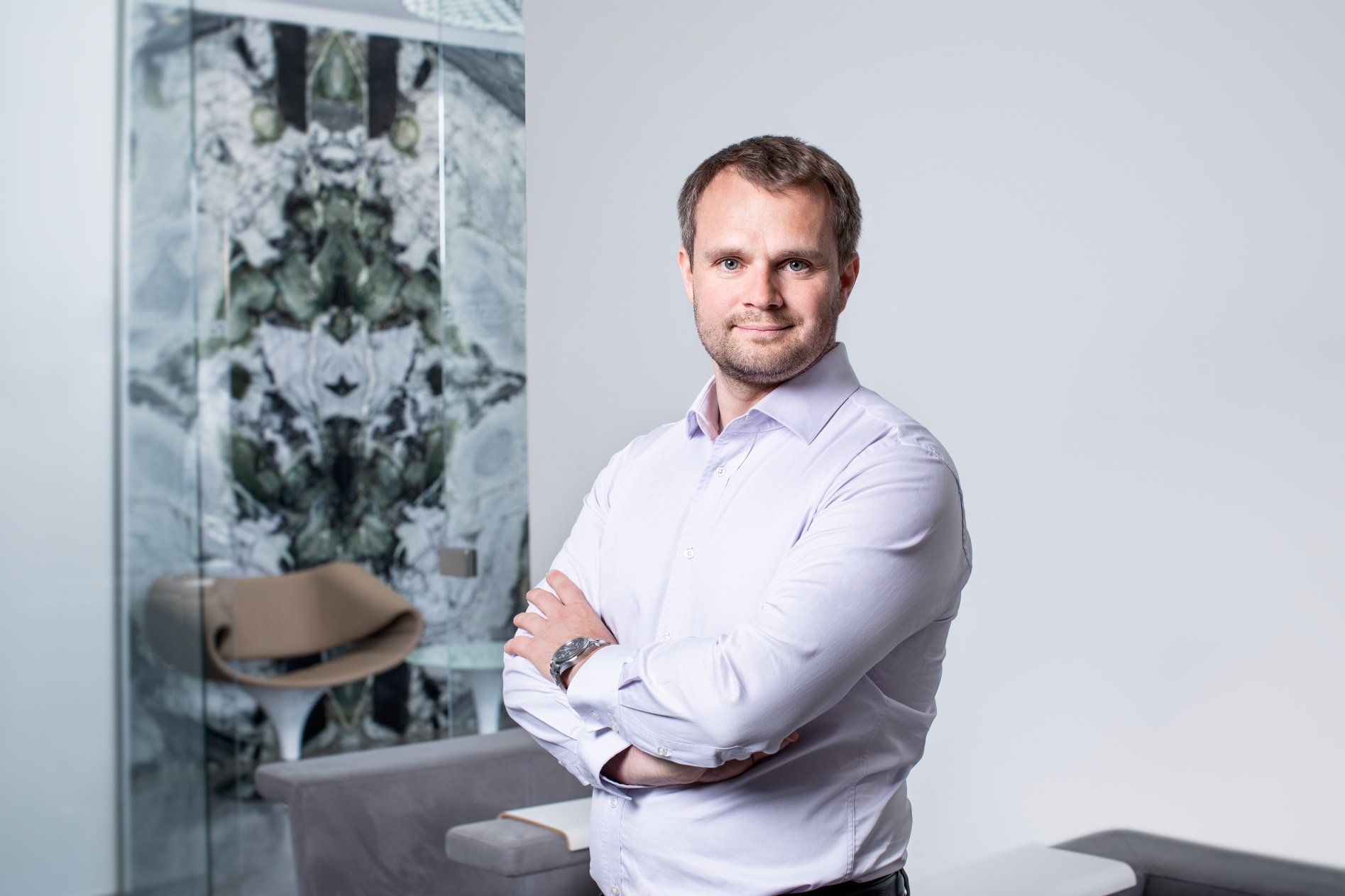
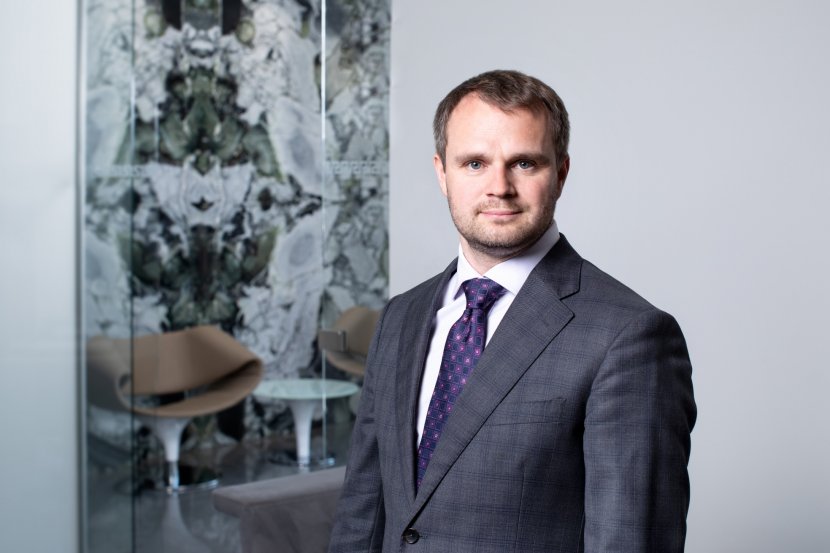
MUDr. František Vlček, Ph.D., MHA
- He graduated in General Medicine at the 3rd Faculty of Medicine of Charles University in Prague.
- He completed his doctoral studies at Palacký University, Institute of Public Health - Social Medicine.
- He received his MHA degree at the Advance Institute of Healthcare Management in Prague.
- In 2004-2008 he worked as a quality manager at the Central Military Hospital in Prague.
- Since the academic year 2010/2011 he has been teaching at the 3rd Medical Faculty in the Cabinet of Public Health.
- He has held the position of Director of Quality, Processes and Efficiency at Multiscan since 2016 and at Akes since the end of 2018.
- He has been a member of the Joint Commission for Accreditation for more than 15 years.
*Source.