Česky
Česky


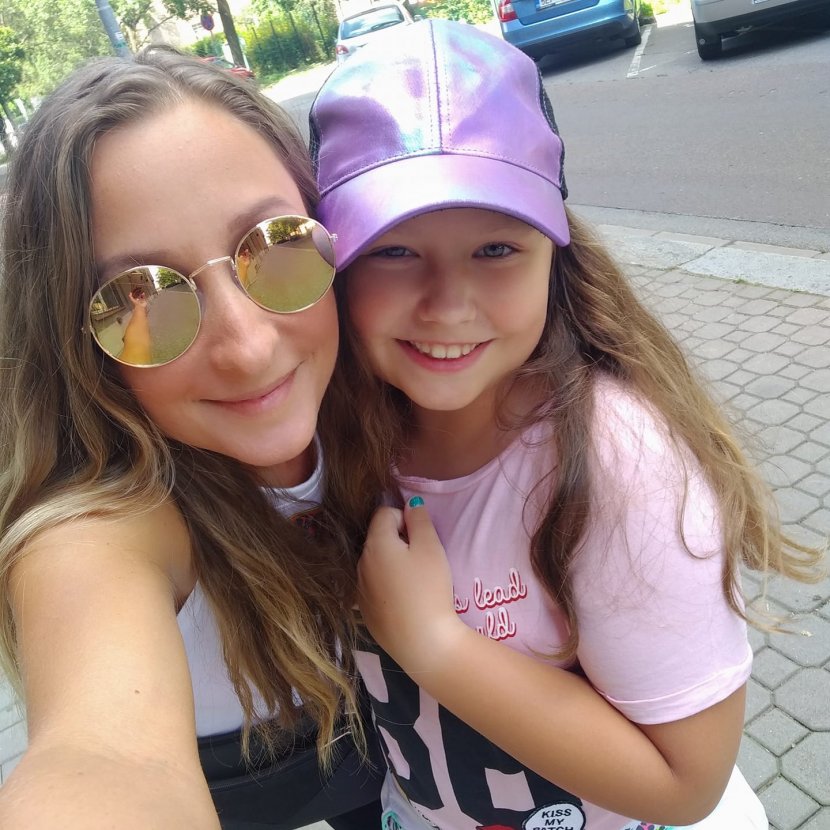
The patient was led to Multiscan by a relentless diagnosis - breast cancer. It all started when Petra developed lumps in her armpits, which bothered her while working. To hear the diagnosis, the unsuspecting young woman rode her bike home from work. "From that moment on, I never went back to my job," Petra recalls, when she learned that one of the lumps from which she had a biopsy turned out to be a malignant tumour.
For 28-year-old Petra, the news of breast cancer was a shock
Even with the benefit of hindsight, she remembers what a shock the news was for her, then only 28 years old. "To be honest, as soon as they told me the diagnosis, I just sat there and cried, I didn't believe it was happening," she says. "A cancer diagnosis is accompanied by a storm of emotions that patients need to share. They can be overwhelmed by them and this can lead to their psychological destabilisation," confirms Dr Nina Soós, who works as a psychologist for cancer patients at Multiscan. They often visit her before their first chemotherapy or radiotherapy, when they are naturally anxious about the whole process.
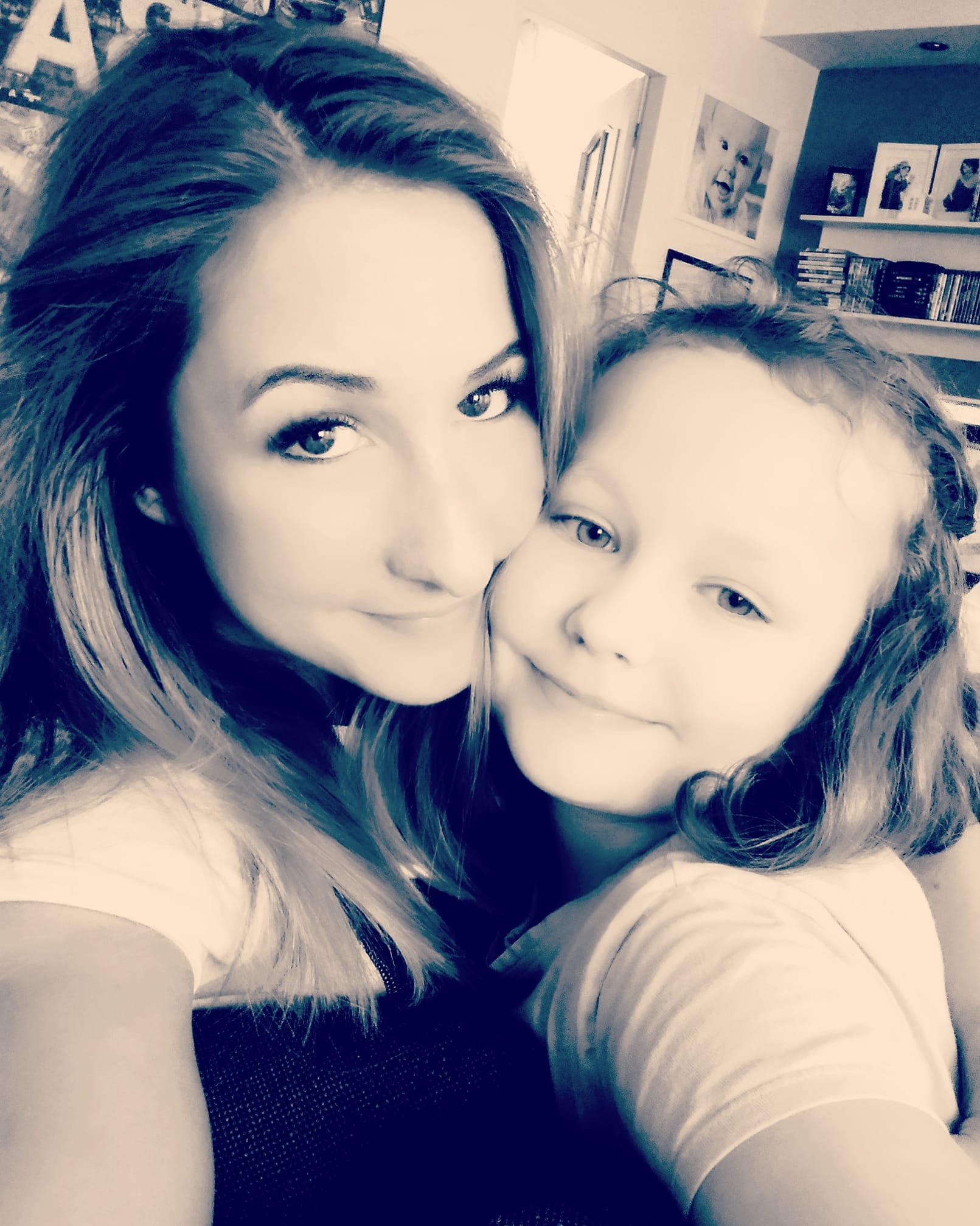
Petra knows this too, and her doctor started explaining to her right after the diagnosis what the treatment process would look like, from surgery to chemotherapy treatment and radiation. "Of course I was terrified that I was going to die. At the time, I thought there was a widespread prejudice or label in society that cancer equals certain death," the young woman says. The unpleasant feelings were then compounded by the fact that she had lost her hair or eyelashes because of the treatment. But worst of all was telling her family about the diagnosis. "Telling my sister, my twin sister, was perhaps even harder than finding out what was wrong with me. Of course, telling my other siblings and my mother was also difficult," Petra recalls. In retrospect, however, it was her family, and especially her little niece Nikolka, who gave the seriously ill patient strength.

It was her family, and especially her little niece Nikolka, who gave her the strength to fight her illness.
The process that Petra had to go through on the road to recovery was difficult. First, she had a malignant tumour and a sentinel node removed. She then underwent eight chemotherapy treatments and radiation. Since then, she has been taking prescribed medication. But for this young woman, her battle with cancer is not over. Tests revealed that she carries a gene mutation that poses a lifelong risk for breast and ovarian cancer. "So for five years I was kept in so-called artificial transition, and after the end of my treatment I had a mastectomy," she says, summing up her difficult journey. For the patient, such an intervention means the removal of the mammary gland, the volume of which is replaced by a silicone implant. This is done so that the scars from such a procedure are not visible.
As a patient who has had cancer, Petra must be monitored regularly. Checks at Multiscan in Pardubice are an essential part of her life. "The attitude of the entire staff in Pardubice and their care are great," Petra sums up her experience with one of the most visible medical facilities of the AKESO Group. Last year, colleagues from Pardubice focused on strengthening the so-called dispensary care, which is designed to monitor cancer patients for any return of the disease. "The number of dispensary patients is constantly growing, which is evidence of great progress in cancer treatment. That is why we decided to open the outpatient clinic in the afternoon, so that the follow-ups of monitored patients could be carried out on time and according to schedule," says Karel Odrážka, head doctor of the Comprehensive Cancer Centre of the Pardubice Region.
But this is not the only novelty at Multiscan in recent months. As part of improving care, the Pardubice cancer centre offers free transport from the place of residence directly to the cancer centre for patients undergoing radiotherapy. Oncology patients can also borrow books from the Pardubice library or visit local sights. These are all steps to make the difficult period easier for cancer patients, when the phases of relief alternate with the phases of demanding chemotherapy. Petra knows this too, and describes the first four doses of chemotherapy as the most physically demanding period of treatment. "For at least the first three days after chemotherapy, I couldn't get out of bed, and when I went to the toilet I often fainted, I was very sick. After each one, I told myself that I couldn't handle another chemotherapy. It's hard to describe the condition. I pushed out the worst moments. It's only been six years. By the end of that week, I started to feel better," she recalls.
Petra is now 34 years old and admits that the illness and the treatment have changed her life. "It's strangely liberating. When it's not about life, it's not about anything," concludes the young woman.