Česky
Česky


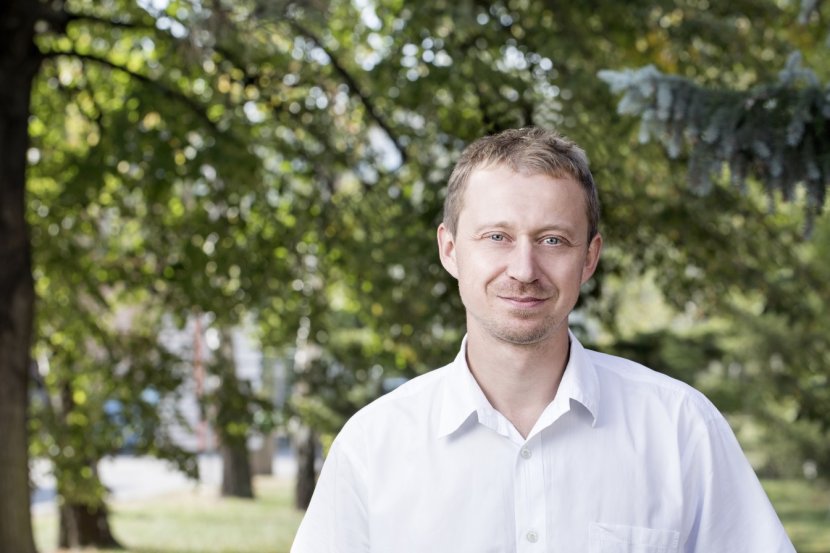
We will first introduce you to the activities of our sister company Multiscan Pharma, which is the main supplier of intravenous drugs for the Comprehensive Oncology Centre of the Pardubice Region. The questions are answered by the deputy head pharmacist of Multiscan Pharma, PharmDr. Jan Cihlo, Ph.D.
How long has Multiscan Pharma been operating and what is its focus?
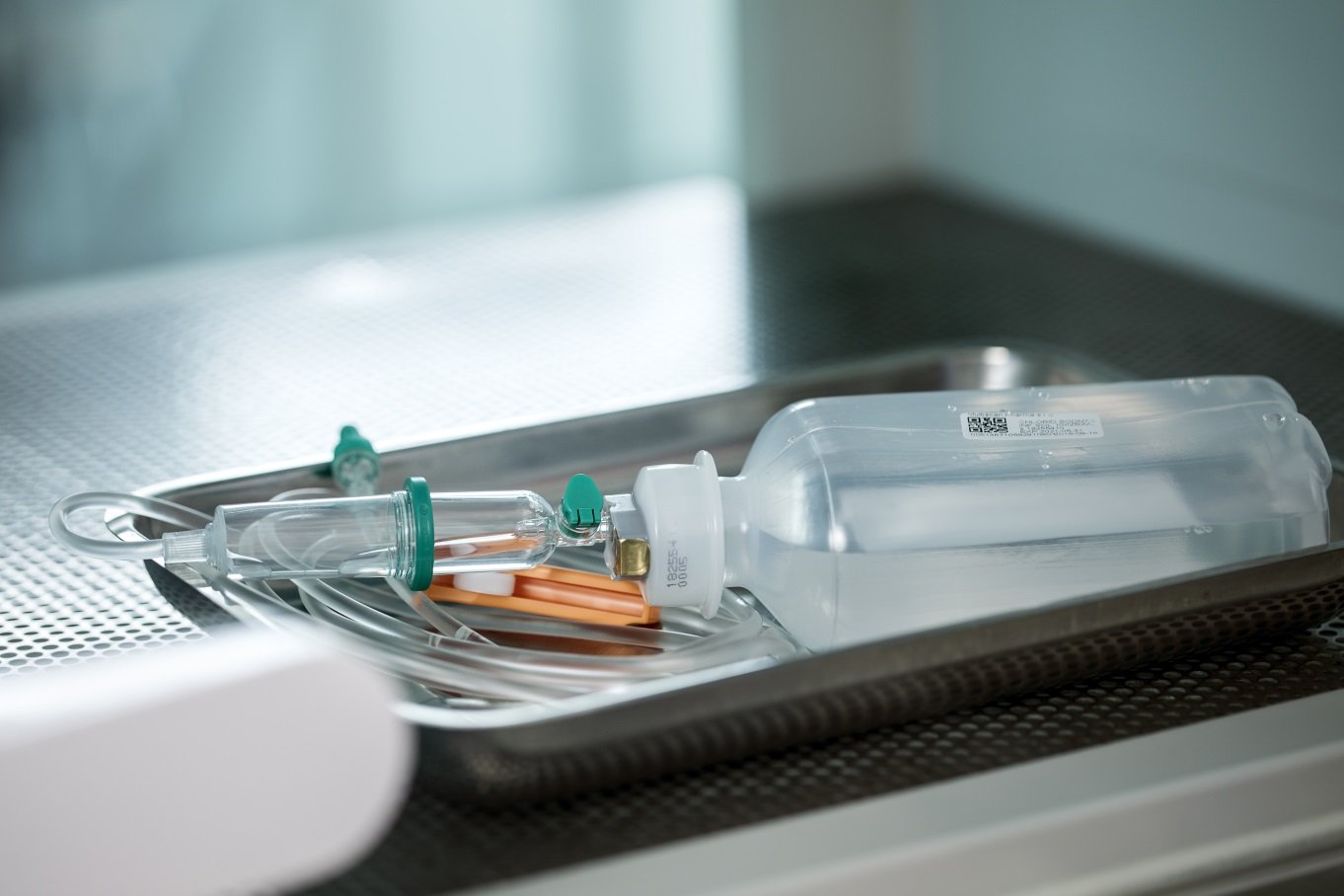
Multiscan Pharma was founded in 2009. The main mission of the pharmacy is to prepare infusion medicines for patients of the Multiscan Cancer Centre. We prepare an average of 100 infusion or injectable products for our patients daily. From the point of view of legislation, health protection and the quality of the prepared medicines, this preparation must take place in the aseptic premises of the pharmacy with a high degree of care, accuracy and reliability.
What do you need to do before you start preparing cytostatics tailored to each patient?
The pharmacy obtains the prescription for the preparation from the prescribing physician. He or she examines the patient, assesses his or her general condition, determines the dose of the drug according to weight or body surface area, and then asks us, the pharmacy, to prepare it. For patients of the Clinical Oncology Outpatient Clinic in Pardubice we prepare medicines immediately after receiving the request, then for hospitalised patients of the Department of Clinical and Radiation Oncology of Pardubice Hospital or in the time schedule for patients of other chemotherapy outpatient clinics (Chrudim, Svitavy, Ústí nad Orlicí, Hořovice). Depending on the complexity, the whole preparation process takes 20-30 minutes, which is the time when a patient of the Pardubice outpatient clinic waits for his/her drug. Our aim is to organise the preparation in such a way that each patient waits for his/her medication for the shortest possible time. Behind the preparation we should see the work of pharmacists and pharmaceutical assistants who try to prepare medicines in the highest quality.
What is the actual process of preparing medicines?
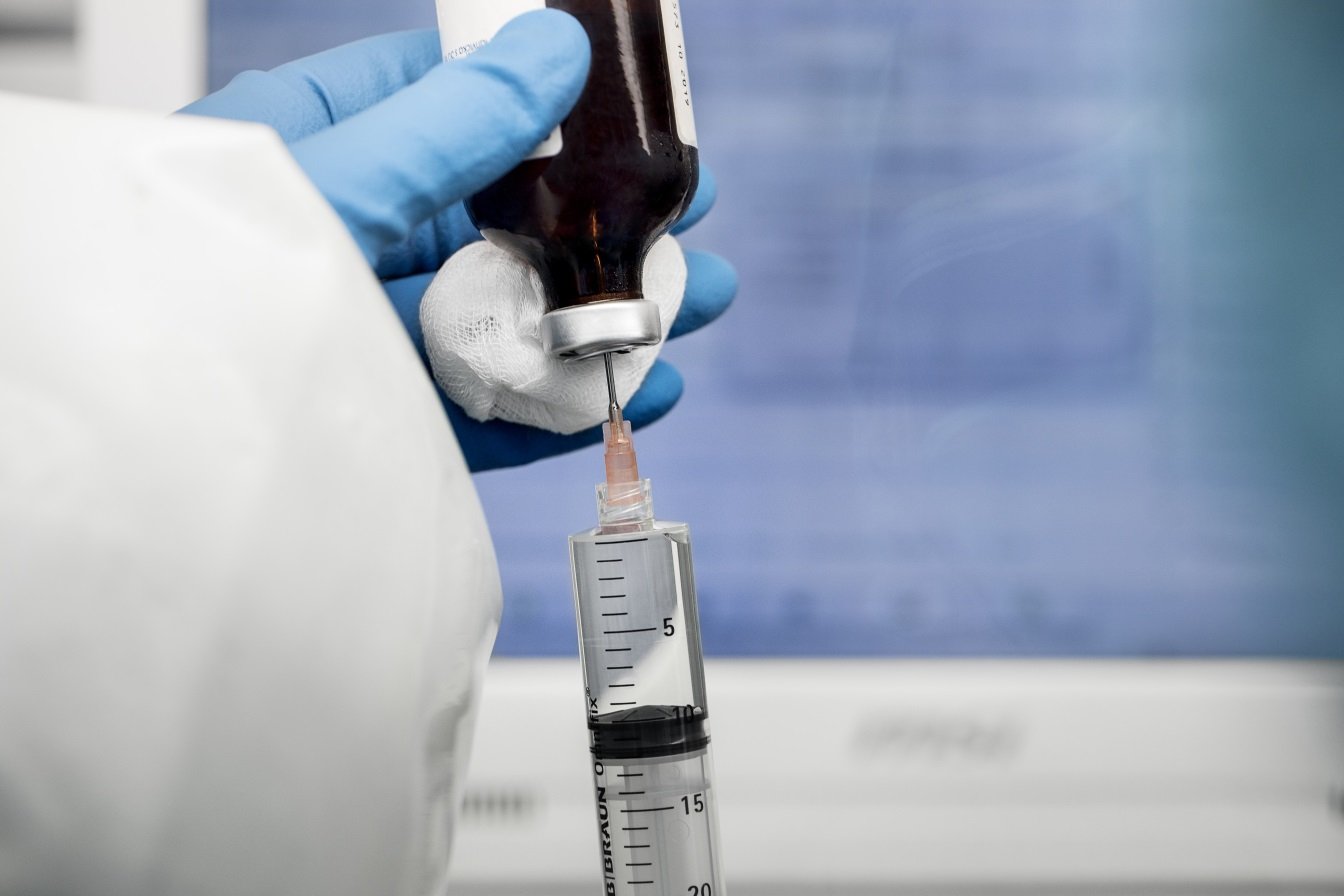
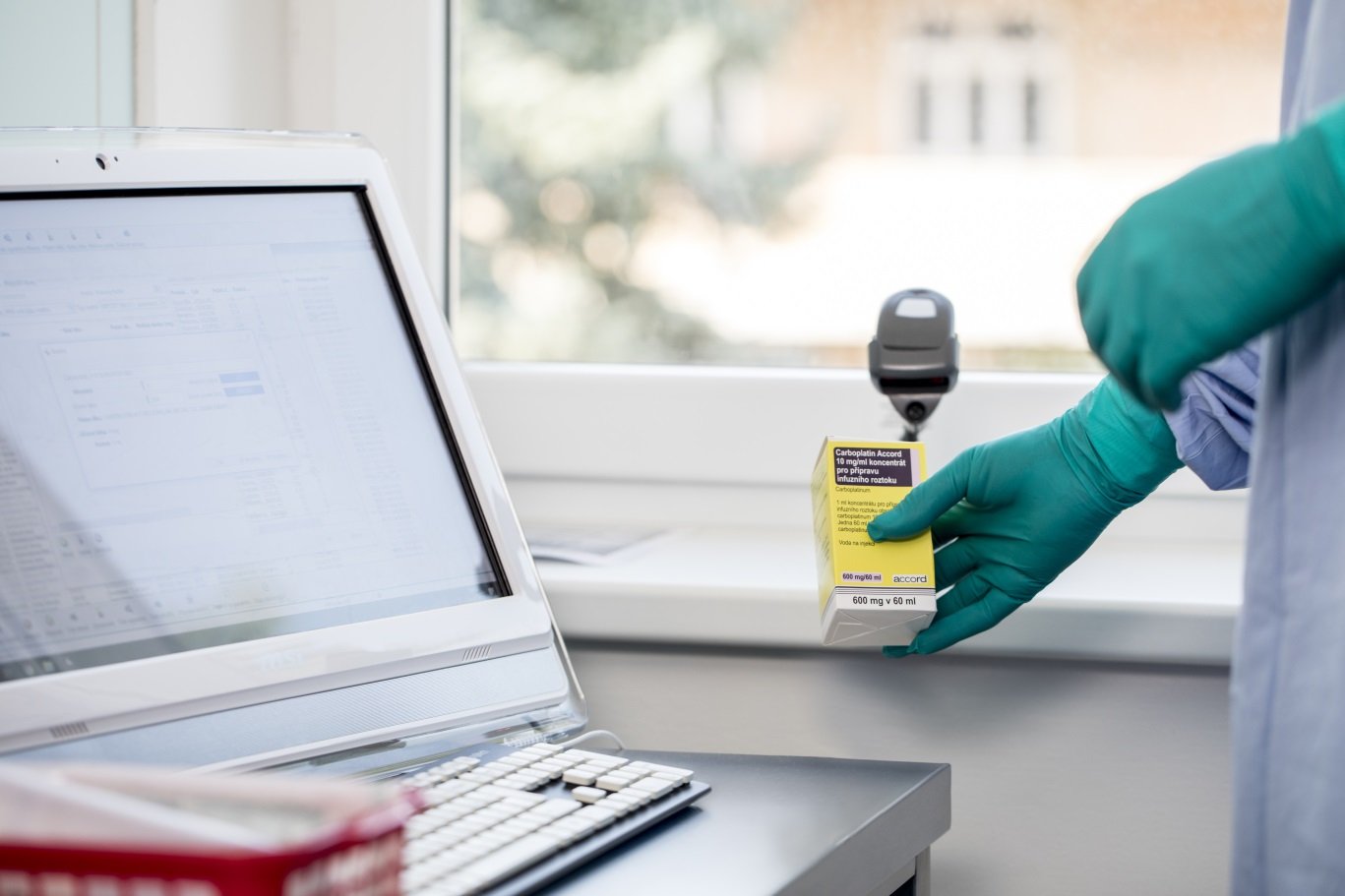
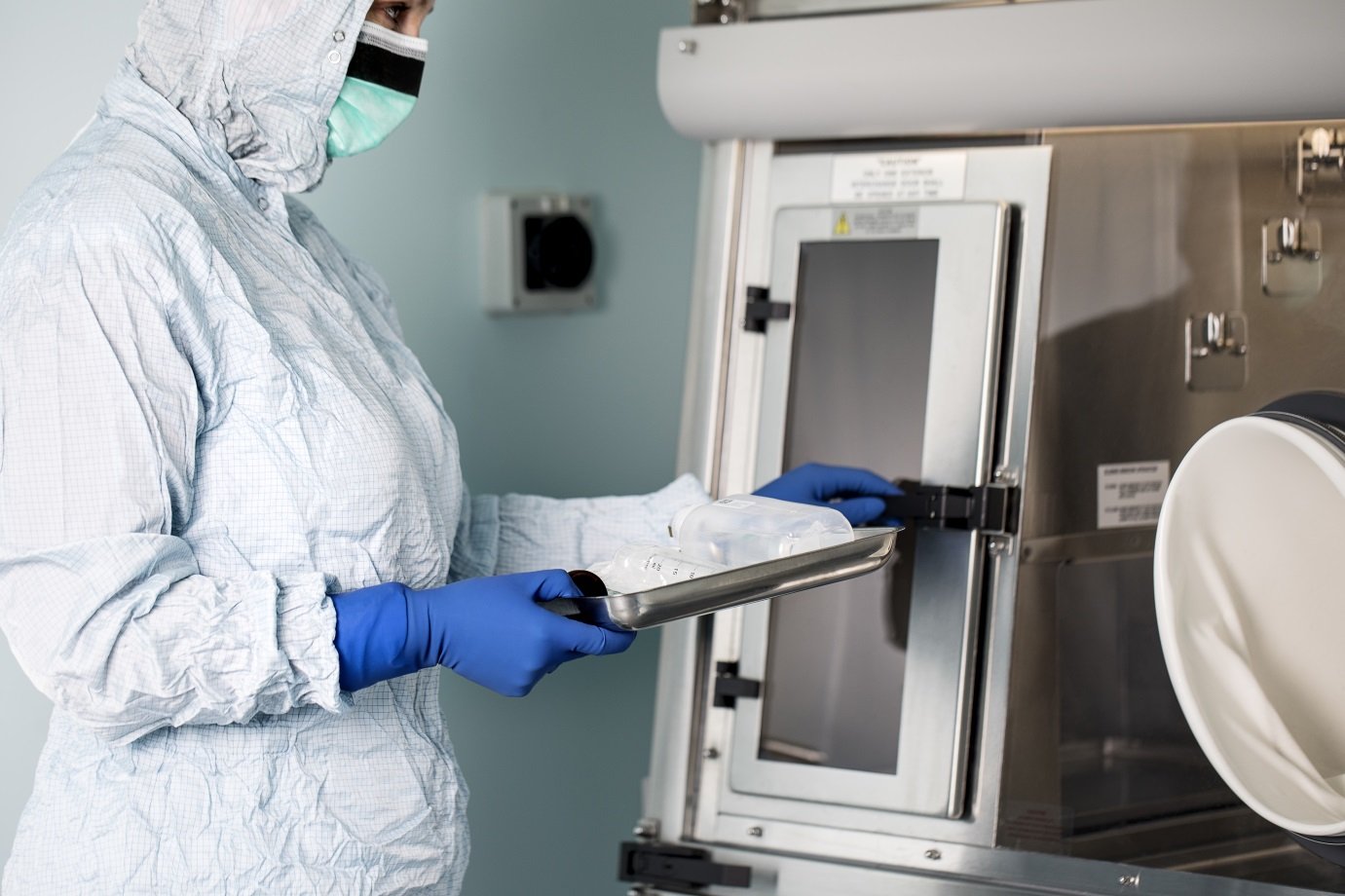
Once we receive a request from a doctor, we immediately start addressing this request so that the first medicine can be administered as soon as possible. The pharmacist will check the dosage and prepare the medicines and aids for one particular preparation. At the same time, he or she will modify the predefined preparation instructions. All aids are then disinfected and enter through a material pass into aseptic areas with a defined cleanliness class. Here, a pharmaceutical assistant dressed in sterile overalls, gown and gloves collects them and places them in the vacuum boxes (isolators) where the actual preparation takes place. It should be noted that at the moment there are no automated robotic systems available to replace human activity. It should therefore be reiterated that, in order to obtain a medicinal product of the prescribed quality, it is necessary to go through all the steps and to leave nothing out.
Who is cytostatic treatment suitable for?
The treating physician or the medical board decides on the suitability of the treatment. Chemotherapy regimens are selected according to the type of disease, stage of progression and general condition of the patient. Medicines may act non-specifically (cytostatics) or receptor-specifically (targeted monoclonal antibody therapy/immunotherapy). The presumption of efficacy of targeted therapy can be verified by analysis of tumour cell markers. Both cytostatics and targeted therapies can be administered as tablets or infusion/injection preparations. The dosage form of the drugs is not decisive for the efficacy of the therapy.
How much will it cost to treat a patient with chemotherapy?
This is entirely individual. The choice of medicines depends on the type of disease, its stage and the regimen chosen to treat it. In oncology, drugs are administered in cycles/series that are repeated with a certain periodicity, e.g. after 3 weeks. If I were to give an example, the price of medicines of one cycle of administration of the AC regimen in breast cancer (cytostatics Doxorubicin + Cyclophosphamide) costs around 2000 CZK. Targeted biological treatment with monoclonal antibodies against the Her-2 receptor can exceed 100 000 CZK.
The preparation of cytostatics is not completely risk-free. What are your risks and how do you protect yourself?
It is true that prolonged exposure to threshold contamination of cytostatics is potentially dangerous for handlers, i.e. both pharmacists during preparation and nurses during administration. On the other hand, what you make of it is what you get. If you follow the prescribed procedures, use protective equipment, special medical devices for preparation and administration, I think the risk is minimal.
We are fortunate that the management of AKESO Holding and individual companies perceive this issue as important and are inclined to invest in improving not only the quality of care provided, but also in protecting the health of their employees.
At the moment, we are working on and testing tools for safe preparation and administration of cytostatics so that these methods will be ready when the new cancer hospital in Pardubice starts operating. These measures are currently being tested in Pardubice and should be subsequently extended to all clinical sites where our prepared oncological drugs are applied.
What are you working on next, what are your plans?
We would like to continue to develop cooperation with existing clinical sites in the field of preparation, as well as clinical pharmacy. We would like to take over the preparation of other drugs - premedications in order to relieve nurses in their daily work. We are planning preparation for other sites outside the AKESO group. We are collaborating on the development of a prototype robotic device for the preparation of infusion drugs. We enjoy pushing things forward.